
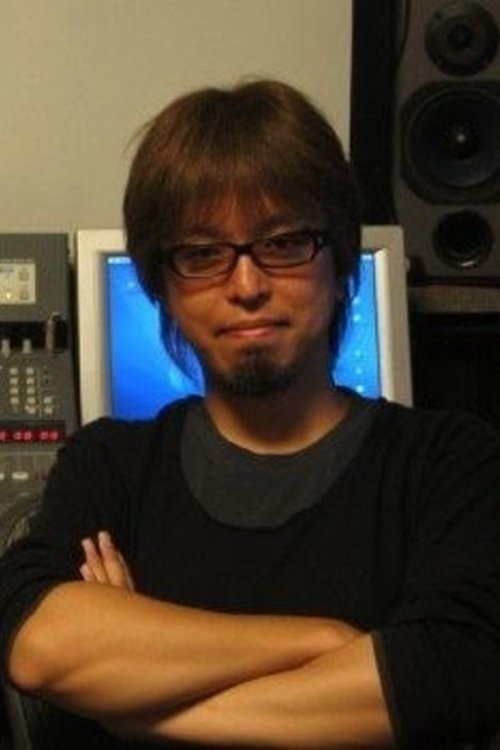
Koji Endo, the Japanese composer who scored the MBS BL series Hold on, Harutora-kun

Koji Endo

BIOGRAPHY

Koji Endo (遠藤浩二, born 1964 in Yonago, Tottori Prefecture) is a Japanese composer and arranger with roughly 285 crew credits between 1992 and 2026. He runs his own Tokyo studio, SoundKids, and works as the head of SOUND KID’S.

He is best known as Takashi Miike’s composer, a partnership that began with Rainy Dog (極道黒社会) in 1997 and covers much of the director’s internationally released work, including Audition (1999), Dead or Alive (1999), Visitor Q (2001), The Happiness of the Katakuris (2001), Gozu (2003), Zebraman (2004), Izo (2004), One Missed Call (2004) and Sukiyaki Western Django (2007). Away from Miike his credits extend to horror films, television, live-action manga adaptations and children’s tokusatsu, and they continue into the 2020s, with credits in every year of the decade, including four dated 2026.

Away from the titles already named, the Miike scores run on through Full Metal Yakuza (1997), The Bird People in China (1998), City of Lost Souls (2000) and Dead or Alive: Final (2002), and then past the middle of the 2000s to 13 Assassins (2010), Lesson of the Evil (2012), Shield of Straw (2013), First Love (2019), The Great Yokai War: Guardians (2021) and Lumberjack the Monster (2023). On television he has scored the period series Kumokiri Nizaemon, which returned across the years 2013 to 2023. He also wrote music for Mother Game in 2015 and for Yami Baito Kazoku in 2024.

One of those 2026 credits is Hold on, Harutora-kun, the MBS Boys’ Love series, for which he wrote the score. The music credit is confirmed on the MBS programme site for the series.

Koji Endo’s first Miike score came in 1997 and his most recent credits date from 2026, a span of nearly three decades of continuous film and television work.

The Miike titles listed above run from Rainy Dog in 1997 to Sukiyaki Western Django in 2007, and the partnership carried on well beyond that decade, reaching Lumberjack the Monster in 2023.

His 2026 credit on Hold on, Harutora-kun is the score for an MBS production, and the music credit appears on the series’ own programme site.

The credit count of 285 covers every crew entry attached to his name, so multi-part television series count as several entries.

The dates of the partnership can be counted. His earliest credit is from 1992, so the first Miike score arrived five years into his career. The ten Miike titles named above are spread unevenly across the decade that followed: one in 1997, two in 1999, two in 2001, one in 2003, three in 2004 and one in 2007, which makes 2004 the busiest year on that list. From the first credit to the four dated 2026 is a span of thirty-four years, and the Harutora-kun score sits at the far end of it.

In my view the partnership is easier to hear than to describe. Audition from 1999 and The Happiness of the Katakuris from 2001 sit two years apart and could hardly be more different in tone, and one composer supplied both. If you want a sense of his range before you listen to the new series, I would put those two side by side first.

PROFILE DETAILS

Native Name
遠藤浩二
Real Name
Koji Endo
Pronouns
he/him
Birthplace
Yonago, Tottori Prefecture, Japan
Gender
Male
Profession
Nationality
Agency / Label
SOUND KID'S
Years Active
1992-present
Languages
Japanese

FILMOGRAPHY: TV SERIES (1)

TRIVIA

He competes as an amateur racing driver. His Japanese Wikipedia entry records that he has taken part in Japan Automobile Federation-sanctioned races since 2009, and that he won the Clubman series annual championship in the 86/BRZ Race in 2015.

Articles about him exist in the Japanese, German, French and Italian editions of Wikipedia.

Dead or Alive: Final (2002) is the third film in the Dead or Alive series, and his name appears on the music credits of the series from its first film in 1999.

CAREER AT A GLANCE

Koji Endo holds one record across the site: one credit behind the camera.

It dates from 2026.

FREQUENTLY ASKED QUESTIONS

Who is Koji Endo?

Koji Endo (遠藤浩二) is a Japanese composer and arranger born in 1964 in Yonago, Tottori Prefecture. He wrote the score for the 2026 MBS Boys’ Love series Hold on, Harutora-kun.

What is Koji Endo best known for?

Being Takashi Miike’s composer. The partnership began with Rainy Dog in 1997 and covers Audition, Dead or Alive, Visitor Q, The Happiness of the Katakuris, Gozu, Zebraman, Izo, One Missed Call and Sukiyaki Western Django, among many others.

Did Koji Endo write the music for Hold on, Harutora-kun?

Yes. The music credit is confirmed on the MBS programme site for the series, and the Japanese Wikipedia staff list agrees.

How many credits does Koji Endo have?

Roughly 285 crew credits between 1992 and 2026, including four dated 2026. The count includes multi-part television, so it measures scale rather than a precise number of works.

Where and when was Koji Endo born?

In Yonago, Tottori Prefecture, in 1964.

Is Koji Endo a racing driver?

As an amateur, yes. He has competed in races sanctioned by the Japan Automobile Federation since 2009 and won the Clubman series annual championship in the 86/BRZ Race in 2015.

What is SOUND KID'S?

Koji Endo’s own company. He works from his Tokyo studio, SoundKids, and is credited as head of SOUND KID’S.

How long has Koji Endo been working as a composer?

His credits begin in 1992 and continue through 2026.

Has Koji Endo scored Miike films in recent years?

Yes. After Sukiyaki Western Django he kept working with the director, from 13 Assassins in 2010 to Lumberjack the Monster in 2023.

Which are the earliest Miike films he scored?

Rainy Dog and Full Metal Yakuza, both from 1997.

Has he composed for television series as well as film?

Yes. His television work includes the long running period series Kumokiri Nizaemon, Mother Game in 2015 and Yami Baito Kazoku in 2024.

Which Miike horror and action titles carry his music?

Audition and One Missed Call on the horror side, and Dead or Alive, Dead or Alive: Final and 13 Assassins among the action films.

Where a title can be watched, and who is credited on it, may have changed since publication, as our disclaimer explains.

Images only: posters and portraits from TMDB, artist images from Spotify and book cover art from AniList. No factual content is taken from these services. This product uses the TMDB API but is not endorsed or certified by TMDB. Factual data such as dates, credits and names is compiled from the sources recorded for each entry. All reviews, biographies and editorial commentary are written by BL & GL Flix. This product uses the TMDB API but is not endorsed or certified by TMDB. All posters, portraits, cover art, and promotional materials remain the property of their respective copyright holders and are shown solely to identify the works described. BLGLFLIX does not host or distribute any video content. See our DMCA / Copyright Policy.