
LGBTQ+ Travel in the Philippines: Laws, Pride and Where to Go
The Philippines is one of Asia’s warmest welcomes for LGBTQ+ travellers: same-sex relationships are legal, big cities are open and Quezon City throws a Pride festival that pulls in hundreds of thousands every June. Marriage is not recognised and there is no national anti-discrimination law, so a little know-how goes a long way.
- Same-sex relationships
- Legal (UK FCDO)
- Same-sex marriage
- Not recognised
- Biggest Pride
- Late June, Quezon City (Metro Manila)
- Before you fly
- Free eTravel registration within 72 hours of arrival
- Last checked
- 29 Nov 2026
Best LGBTQ+ friendly places in Philippines
Hotels
Areas to stay
Cafés and restaurants
Bars and nightlife
Picked from our city guides; every place there links to its source.
Cities in Philippines
Pride in the Philippines
BL and GL series from Philippines
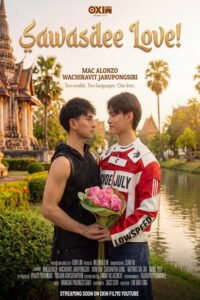
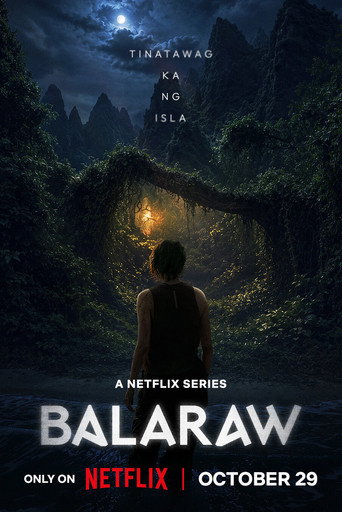








Stars born in Philippines





Most viewed first, from the birthplace on each star’s profile page.
Safety and law
- Same-sex relationships
- Not illegal (UK FCDO, page updated 15 Jul 2026)
- Same-sex marriage
- Not recognised under current legislation (UK FCDO)
- Public displays of affection
- Overt PDA can be treated as ‘grave scandal’ under the Revised Penal Code (UK FCDO)
- Local anti-discrimination law
- Quezon City: SOGIESC anti-discrimination ordinance SP-3417 (2025), revising the 2014 Gender-Fair Ordinance
- US State Department
- Level 2: Exercise increased caution (issued 1 Sep 2026)
The UK government calls the Philippines generally a tolerant and progressive place for LGBT+ travellers. Same-sex relationships are not illegal, but current legislation does not recognise same-sex marriage and some stigma exists outside urban centres. It also warns that overt public displays of affection may be treated as a ‘grave scandal’ under the Revised Penal Code, which can mean a fine or up to six months in prison, so keep affection low-key in public, as most locals do.
There is no national law against discrimination based on sexual orientation, but some cities have their own. Quezon City, the largest city in Metro Manila, passed its Gender-Fair Ordinance (SP-2357) in 2014 and replaced it with a broader SOGIESC anti-discrimination ordinance, SP-3417, in 2025, according to the city government’s official notice. These rules apply only inside that city.
Safety-wise, the US State Department rates the Philippines at Level 2 (exercise increased caution), and the UK advises against all travel to western and central Mindanao and the Sulu archipelago and against all but essential travel to most of the rest of Mindanao. Manila, Cebu, Boracay, Palawan and Siargao sit outside those zones.
- UK FCDO: Philippines travel advice, safety and security (LGBT+ travellers) · checked
- UK FCDO: Philippines warnings and insurance (Mindanao, Sulu) · checked 29 Nov 2026
- Quezon City Government: SP-3417, S-2025, comprehensive SOGIESC anti-discrimination ordinance revising SP-2357, S-2014 · checked 29 Nov 2026
- US Department of State: Philippines travel advisory · checked
Summarised in our own words from official government travel advice. Laws change, so read the official page before you travel.
Practical
An eSIM works from the moment you land, so maps and ride apps are ready at the airport.
Get a Philippines eSIM → AdBritish passport holders can visit for tourism for up to 30 days without a visa, and need a passport valid for at least six months after arrival plus proof of onward or return travel, according to the UK government; many other nationalities, including US citizens, are also on the Philippines’ 30-day visa-free list, so check the Department of Foreign Affairs for yours. Everyone must register on eTravel (etravel.gov.ph or the eGovPH app) within 72 hours before arrival and show the QR code; it is free, so ignore paid look-alike sites. Checked 29 Nov 2026.
Most international flights land at Manila (NAIA), Clark or Mactan-Cebu. Island hopping is done by short domestic flights or ferries, so build in buffer days during typhoon season (roughly June to November), when sailings and flights can be cancelled at short notice.
The currency is the Philippine peso. Cards work in malls, hotels and city restaurants, but carry cash for tricycles, small eateries and islands. An eSIM set up before you fly gets your phone online as soon as you land, which helps with ride-hailing apps and your eTravel QR code.
FAQ
Is gay marriage legal in the Philippines?
No. The UK government says current legislation does not recognise same-sex marriage in the Philippines, and there is no national civil union or partnership system.
Is homosexuality legal in the Philippines?
Yes. Same-sex relationships are not illegal. The UK government notes that some stigma exists outside urban centres and that overt public displays of affection can be treated as ‘grave scandal’ under the Revised Penal Code.
Is the Philippines gay friendly?
Generally, yes. The UK government describes it as a tolerant and progressive place for LGBT+ travellers, and cities such as Quezon City host huge Pride events. Keep public affection discreet, as most locals do.
Are there LGBTQ+ anti-discrimination laws in the Philippines?
Not at national level. Some cities have their own, most notably Quezon City, whose SOGIESC anti-discrimination ordinance (SP-3417, 2025) revised its 2014 Gender-Fair Ordinance. These rules only apply inside that city.
When is Pride in Manila?
Pride season peaks in late June. In 2026 the Lovelaban Pride Festival in Quezon City ran on 27 June at UP Diliman, with more than 320,000 people, according to the city. The 2027 date has not been announced yet.
Is the Philippines safe for LGBTQ+ travellers?
Major destinations are generally fine with normal precautions. The US State Department rates the country Level 2 (exercise increased caution), and the UK advises against travel to much of Mindanao and the Sulu archipelago, which are away from the usual tourist routes.
Do I need a visa to visit the Philippines?
Many nationalities, including British citizens, can stay up to 30 days without a visa. Your passport needs at least six months’ validity on arrival and you may be asked for an onward ticket.
What is eTravel and is it free?
eTravel is the Philippine government’s mandatory arrival registration. You complete it on etravel.gov.ph or the eGovPH app within 72 hours before arrival and show the QR code. It is free, so avoid third-party sites that charge a fee.
Can I visit Filipino BL filming locations?
We only list places that a studio, film office or the Department of Tourism has confirmed. We have not found official confirmation for series such as Gameboys or Gaya sa Pelikula yet, and will add spots once one is published.
Some links on this page are affiliate links (Yesim). If you book through them, BL & GL Flix may earn a small commission at no extra cost to you. It never changes which hotels or places we list, and we never show prices because they change daily. Advertising disclosure
Hotel names and logos belong to their owners. BL & GL Flix is not owned, sponsored or endorsed by any company named on this page. Links marked Ad are affiliate links (through Travelpayouts) and may earn us a commission; nothing else on this page is paid for.