
Of the BL and GL works reviewed by Renkaze, [bgl_stat key="clustered_records" words="1"] belong to a franchise family, but only 23 screen productions sit beside another screen production.
By Renkaze
Sixteen of the [bgl_stat key="clusters"] franchise families reviewed are one drama plus its own source text rather than a true franchise, and only six hold more than one screen production. Adaptation is what turns a single drama into a franchise, and sequels appear both as seasons and as separate titles.
Only six families hold more than one screen production. So 23 of [bgl_stat key="titles_screen"] screen productions, 24 percent, sit beside another screen production. That is the real franchise figure, and it is less than half the headline 54 percent.
Of the BL and GL works reviewed by Renkaze, [bgl_stat key=”clustered_records” words=”1″] belong to a connected family of adaptations, sequels or parallel versions. But only 23 screen productions share a family with another screen production. Most of what looks like franchise structure is one drama sitting beside the book it came from.
A sequel chain, a set of parallel versions of one source, and a drama paired with its own novel are three different structures. BL and GL hold far more of the third than the first.
Connecting every title to the works it is directly related to produces [bgl_stat key=”clusters” words=”1″] families of two titles or more among the works reviewed. Their sizes run from pairs to one family of twelve.
| Family size | Families | Titles |
|---|---|---|
| 2 | 16 | 32 |
| 3 | 3 | 9 |
| 5 | 1 | 5 |
| 7 | 1 | 7 |
| 12 | 1 | 12 |
| All families | [bgl_stat key=”clusters”] | [bgl_stat key=”clustered_records”] |
Only direct links between works count. Shared studios, shared cast, shared directors and shared performer pairings do not make a family, and two adaptations of books by the same author are separate unless the works are explicitly related.
Among the [bgl_stat key=”titles_books”] printed works reviewed, 12 web novels, 7 novels, 5 manga, 1 manhwa and 1 manhua, every single one belongs to a family with a screen version. Thirty nine screen productions belong to a family too.
That asymmetry is the whole story. A book almost always enters the picture because a drama was made from it. Sixteen of the [bgl_stat key=”clusters”] families are exactly this: one screen production plus the book, comic or web novel it adapts, 33 works in total. GAP and GAP (Novel) is the shape. So is Payback, which reaches three works because both a manhwa and a novel sit behind it, covered in the Payback reading guide.
Only six families hold more than one screen production. They account for 32 works, 23 of them screen productions. So 23 of [bgl_stat key=”titles_screen”] screen productions, 24 percent, sit beside another screen production. That is the real franchise figure, and it is less than half the headline 54 percent of all works.
| Family | Works | Screen | Source | Relation between the screen productions |
|---|---|---|---|---|
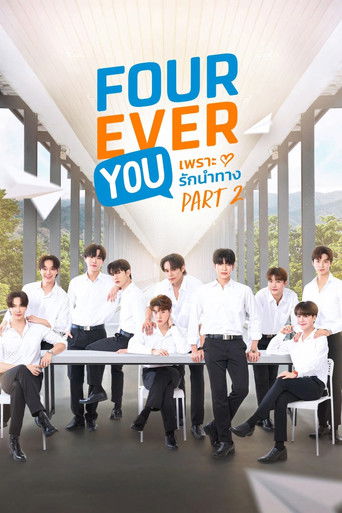
| Fourever You | 12 | 7 | 5 | Numbered continuation plus arcs and specials |
| Cherry Magic | 7 | 6 | 1 | Parallel versions of one manga, plus a film sequel |
| Mo Dao Zu Shi | 5 | 3 | 2 | Parallel versions of one web novel, plus a spin off |
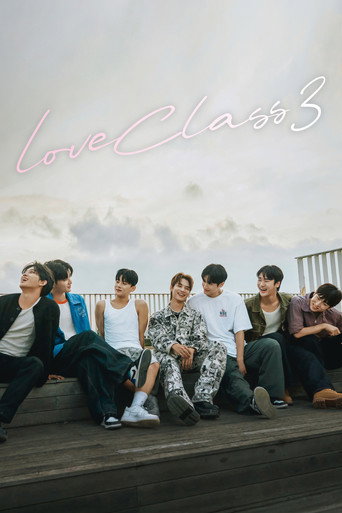
| Love Class | 3 | 3 | 0 | Three numbered seasons |
| Unexpectedly Naughty Fukami | 3 | 2 | 1 | Anime and live action from one manga |
| Only Boo! and WEIRDO-101 | 2 | 2 | 0 | Linked productions with separate source novels |
Two of the six carry a numbered continuation: Fourever You Part 2 follows Part 1, and Love Class Season 2 and Love Class Season 3 follow the first. Three are parallel versions of a single source, not a story moving forward. The Fourever You family is the largest at twelve works and has its own watch order guide.
The pattern points one way. Of the 39 screen productions that belong to a family, 35 adapt an earlier work, and 56 screen productions in all adapt one. Among the titles reviewed, the source book is what turns a single drama into a franchise. Originals rarely get a second life.
A continuation can take two forms: a second season inside one title, or a second title. BL and GL use both. Of the titles with seasons, 86 report one, four report two and one reports three. The 30 without a season count are all formats that do not have seasons: the 26 printed works plus 2 movies, an anime movie and a musical. So only five titles report more than one season internally.
Three of those five are not linked to any family: Blank, Fragrance of the First Flower and GELBOYS each run two seasons inside a single title. The reverse also happens. All three Love Class titles count as one season each, because each title describes its own season, yet together they form a three part chain.
Combining both forms, at least seven distinct stories have more than one installment. That number is a floor.
Of the 94 screen productions with a known origin, 56 name a prior work they are based on. Japan shows the strongest family structure, with Cherry Magic alone accounting for 6 of its 17 family members, including the source manga. Thai BL forms the largest share of families in absolute terms, with 38 of the [bgl_stat key=”clustered_records”] works, but its share matches the overall average: Thailand sits at 55 percent against 54 percent across all works. Franchise building is a feature of the adaptation model, not of any one country.
Did you enjoy this story?
Written and verified by Renkaze · Last updated 1 November 2026
 Fourever You
 Fourever You Part 2
 Love Class
 Love Class Season 2
 Love Class Season 3
 Cherry Magic
 Cherry Magic! Thirty Years of Virginity Can Make You a Wizard?! (Manga)
 Payback
 Payback (Manhwa)
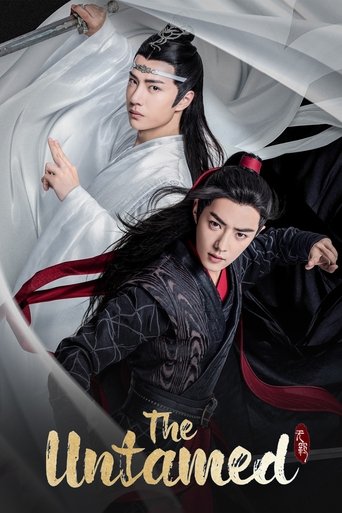 The Untamed
 Mo Dao Zu Shi (Web Novel)
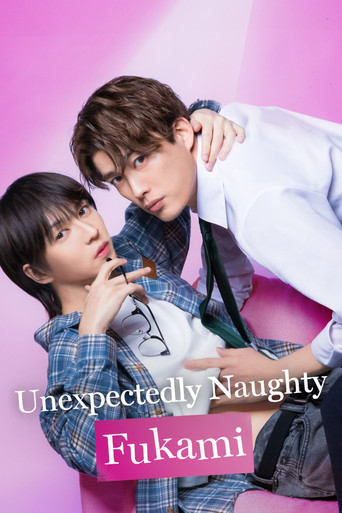 Unexpectedly Naughty Fukami
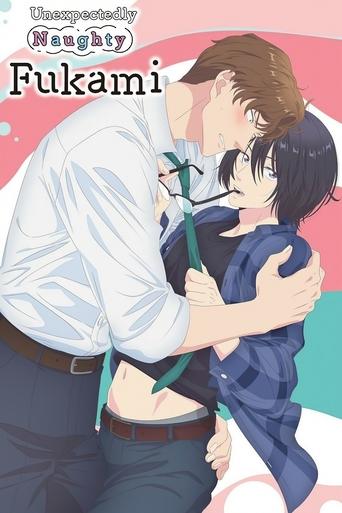 Unexpectedly Naughty Fukami (Anime)
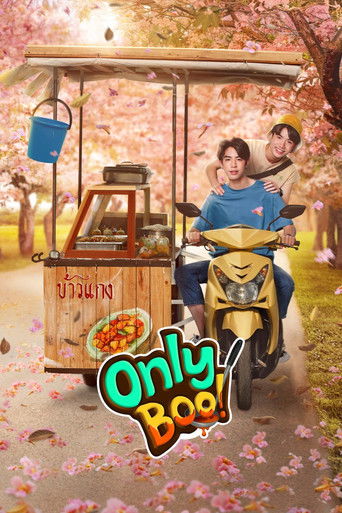 Only Boo!
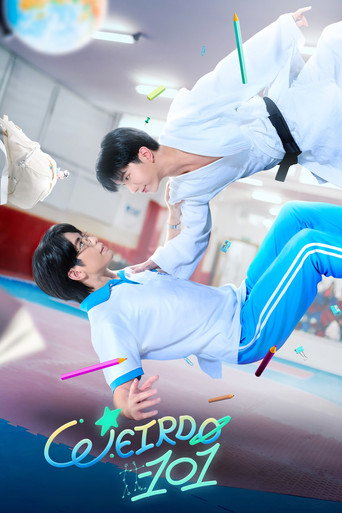 WEIRDO-101
 GAPGAP (Novel)
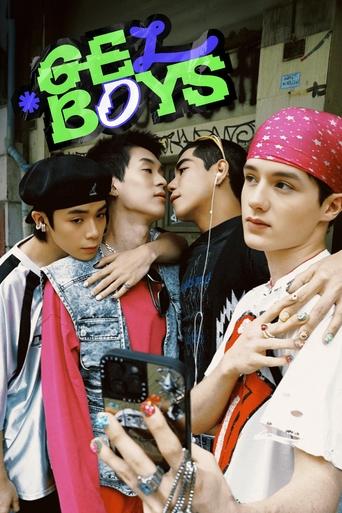 GELBOYS
 Fragrance of the First Flower
Where something published here turns out to be wrong, the correction goes into the article rather than being quietly edited away.
No correction has been recorded for this piece.
Metadata and images in this article remain the property of their copyright holders. BLGLFLIX is an independent site with no affiliation to the productions covered. Full copyright, correction and takedown policy: Disclaimer.
 Magic Lover Official Teaser Out: Mandee Work and WeTV Fantasy BL26 Nov 2026
 At 25:00, in Akasaka Is Getting an Anime in 2027: What We Know26 Nov 2026
 Hook Your Heart Official Trailer Out: iQIYI Original Starts 8 December25 Nov 2026
 BL and GL YouTube Views This Week: Gunshot Premiere Leads at 505,000 a Day (25 November 2026)24 Nov 2026
 Best BL Anime: 10 Gay Anime Series and Films to Stream Legally24 Nov 2026
 Gay Series on Netflix: 14 BL and LGBTQ+ Shows to Watch Now (2026)24 Nov 2026
 Fool in Love🇹🇭 5.8 · 1.4K
 Backdoor🇰🇷 4.4 · 1.2K
 Teach Me, Touch Me🇹🇭 4.8 · 798
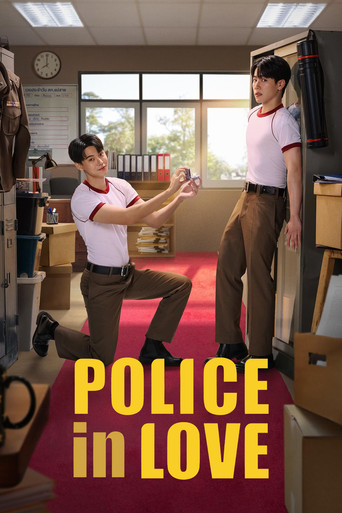
 Police in Love🇹🇭 7.4 · 817
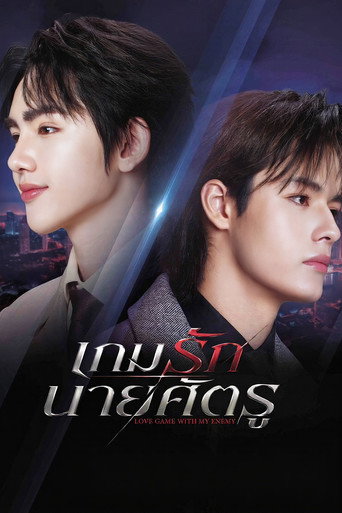
 Love Game with My Enemy🇹🇭 1.6 · 980
 My Beautiful Enemy🇹🇭 Upcoming · 258
 Lock On You🇹🇭 Upcoming · 223
 The Grim Lover🇹🇭 Upcoming · 94
 Sweet Bond🇹🇭 Upcoming · 145
 Love Trap🇹🇭 Upcoming · 140







Discussion 0 comments
Join other fans talking about How BL Franchises Build Sequels. Be kind, no spoilers without tags, no spam.
No comments yet.
Share the first reaction below.