Most glossaries of BL and GL vocabulary are written from general knowledge. This one is checked against the 121 BL and GL titles reviewed by Renkaze, using the labels each title carries. Every term below is defined plainly and then sized. All counts describe those reviewed titles, not the industry as a whole. Slow Burn is not only a description of pacing: it is the most used structure label, on 46 titles, 15 of which are read rather than watched. Where a term circulates widely but is not a label applied to any title, that is stated too.
The core terms
These are the theme labels that sort a title. Every title carries one or two of them.
BL. A story whose central romance is between two male characters. It is the largest label among the reviewed titles: 100 of the 121 carry it, 96 of them alone, two paired with Yaoi and two paired with GL. Counting every country a title names, those 100 run Thailand 53, Japan 20, China 11, South Korea 11, Taiwan 5, and single figures elsewhere. Twenty are read formats rather than screen. Example: The Heart Killers.
GL. A story whose central romance is between two female characters. Twenty titles carry it, 18 alone and two alongside BL. Seventeen name Thailand, with one each from China, South Korea and Taiwan. The format split differs from BL: nine TV Series but also five Novels, a quarter of the GL set in print. Example: The Loyal Pin.
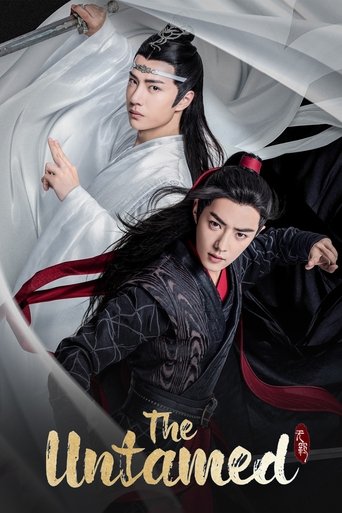
Bromance. A close bond between two men that the story places at its emotional centre without framing it as a romance. Three titles carry it, one each from China, Thailand and South Korea, all TV Series, all rated 15+. It is the smallest of the three theme labels. Example: The Untamed.
Yaoi. An older Japanese term for male and male romance fiction. It never appears alone. It sits on exactly two titles, both Japanese, both paired with BL, both the same work in two formats. Example: Unexpectedly Naughty Fukami (Manga).
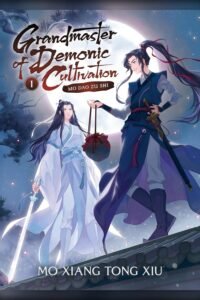
Danmei. The Chinese word for male and male romance fiction, usually web published prose. It is not a theme label. The word sits inside the key themes of four titles, all four in the Mo Dao Zu Shi family of adaptations. Example: Mo Dao Zu Shi (Web Novel).
Boys love and girls love. The spelled out forms of BL and GL. Labels use the two letter abbreviations only, and the long form surfaces once, inside an adaptation note glossing the word danmei. Example: Double Helix.
Y series. Thai industry shorthand for the category, shortened from the Japanese yaoi. It is not a label on any title. The 70 titles that name Thailand are filed under BL or GL like every other title.
Seme and uke. Japanese naming conventions for the two halves of a pairing, used when talking about a couple rather than as production categories. Neither word appears in any label of the 121 titles, so neither carries a count.
How stories are built
These are the romance structures. Most sit in the genre label, a few in the key theme label, and each count names the one it comes from.
Slow Burn. The romance resolves late, with most of the running length spent before the pair arrive. As a genre label it is the most used structure, on 46 titles. Thirty one are watched formats and 15 are read: seven Web Novels, four Novels and four Manga. Thailand accounts for 27 and Japan for nine. Example: Love of Silom.
Enemies to Lovers. The pair start in open opposition and the plot converts the conflict. Eighteen titles carry it as a genre: Thailand eight, Japan five, South Korea two, and two co-productions. Ten are TV Series and four are Web Series. Eleven of the 18 are rated MA. Example: The Journey to Killing You.
Friends to Lovers. An existing friendship becomes the romance without an antagonistic phase. Only five titles carry it, four naming Thailand and one South Korea, and two of the five are read formats. That makes it one of the smaller structure labels, well behind Enemies to Lovers. Example: Lately, It’s Winter Season.
Fake Relationship. The pair agree to perform a couple in public for a reason outside their feelings. Four titles carry it, and every one of the four is dated 2026: two from Japan, one from Thailand and one from the Philippines. Among the titles reviewed, it is the newest structure label, with nothing before this year. Example: Boyfriend Express.
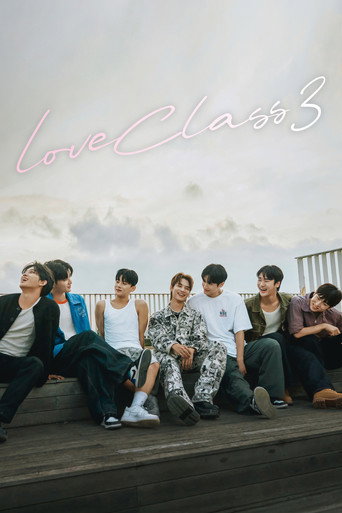
Forbidden Love. Outside pressure, whether family, rank or institution, makes the relationship costly to pursue. Twelve titles carry it as a genre, seven of them naming Thailand. The theme split is even, six BL and six GL, the only structure label in this section that divides that way. Example: Love Class Season 3.
Opposites Attract. The two leads are built as contrasting temperaments and the contrast drives the comedy or the friction. Nine titles carry it, eight naming Thailand and one the Philippines, and all nine are BL. Six of the nine are dated 2026, the rest spread from 2018 to 2023. Example: When Oranges Fall.
Second Chance. A pair who were together before reunite after a separation. Seven titles carry it as a genre, spread across Thailand three, Taiwan two, China two and Singapore one, counting co-productions in each country. Four are BL and three are GL. Example: Fragrance of the First Flower.
Childhood Friends. The two have a shared history that predates the story, which the plot then reopens. Four titles carry it: South Korea two, Taiwan one, Thailand one. Three of the four are rated MA and three are dated 2026, the earliest being a 2020 Thai entry. Example: Summertime.
Hidden Identity. One character withholds who they are, and the disclosure is a structural beat rather than a twist ending. Five titles carry it, and because two are co-productions the country count names Thailand twice, Hong Kong twice, and South Korea, Taiwan and China once each. Example: Pluto the Series.
First Love. The romance is the first either character has had, which sets the emotional stakes low in experience and high in consequence. Thirty two titles carry it as a key theme, tied with Melodrama for third place overall. Thailand 19 and Japan eight lead the country split, and seven of the 32 are read formats. Example: Fourever You.
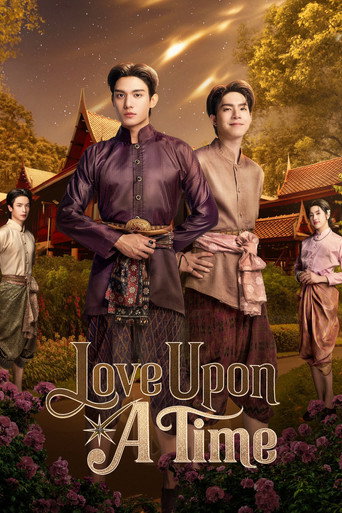
Found Family. Characters assemble a chosen support group that does the work relatives would otherwise do. Twenty three titles carry it as a key theme, 16 naming Thailand, and 18 of the 23 are TV Series. Eleven are rated MA and eight are rated 13+, so it is not tied to one rating band. Example: Love Upon a Time.
Power Imbalance. A key theme carried by five of the 121 titles.
Settings and worlds
These answer where and under what rules a story takes place. Setting separates the Japanese titles from the Thai ones more sharply than any other label.
School. A secondary school setting, with the timetable and the year structure shaping the plot. Sixteen titles carry it: Thailand eight, South Korea four, Japan three, Taiwan one. Twelve of the 16 are TV Series, and the ratings sit low, with six at 13+ and six at 15+. Example: 23.5 the Series.
College. A university setting, which usually brings faculties, clubs and shared housing into the plot. Eleven titles carry it: Thailand seven, South Korea three, Japan one. All eleven are BL and none are GL. Example: Love Class.
Office and Workplace. Paid work is the setting, so the obstacles are hierarchy, hours and colleagues. Twenty three titles carry it as a genre, and Japan leads with 11 against Thailand’s nine. Eleven of the 23 are rated MA. Example: Unexpectedly Naughty Fukami.
Historical. The story is set in a named past period rather than the present. Twelve titles carry it, split six naming China and six naming Thailand, with one Hong Kong co-production inside the Chinese group. Release years run 2015 to 2026. Example: Ticket to Heaven.
Supernatural. Something outside natural law operates inside an otherwise ordinary world. Seventeen titles carry it, Thailand eight and Japan six leading. It appears across eight different content types, from TV Series and Web Series to Anime, Movie, Manga and one stage Musical. Example: Cherry Magic.
Magic. Worked magic operates as a system with rules, rather than as a single unexplained event. Six titles carry it, five naming China and one Thailand. Five of the six belong to one work and its adaptations, which is why the label looks concentrated rather than broad. Example: Khom Khlang.
Reincarnation. A character returns in a new life or a new body, and the earlier life drives the present plot. Five titles carry it, four naming China and one Thailand. Three of the five are read formats, a Web Novel, a Manhua and a second Web Novel, so this label leans towards print. Example: Mo Dao Zu Shi (Donghua).
Mind-Reading. A character can hear what other people are thinking, and the plot runs on what that access costs them. Seven titles carry it, and all seven are versions of the same work across series, film, anime, manga and stage. Japan accounts for six and Thailand for one. Six of the seven are rated PG-13. Example: Cherry Magic! Thirty Years of Virginity Can Make You a Wizard?!.
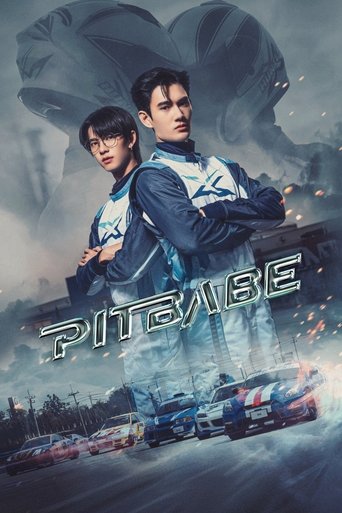
Omegaverse. A fictional social hierarchy borrowed from fan fiction, which a story uses to create rank and obligation between characters. Exactly one title carries it. That title pairs the hierarchy with motor racing, and its key themes open with Motorsport, which is why it also carries Sports and Fantasy among its genres. Example: Pit Babe.
Format words
These describe how a story is delivered or shaped rather than what happens in it, and are the labels most often misread as genres.
Short-Form. Episodes run short, often built for phone viewing rather than a broadcast slot. Eight titles carry it, and seven of the eight are Web Series. South Korea leads with four, ahead of China two, Thailand two and one Vietnamese co-production. Five of the eight are dated 2026. Example: Backdoor.
Ensemble. The cast carries several couples rather than one, and the episodes rotate between them. Ten titles carry it, nine naming Thailand and one South Korea, and nine of the ten are TV Series. Nothing dated before 2023 carries it. Example: Fourever You Part 2.
Melodrama. Heightened emotional stakes drive the plot, and the story treats feeling as the engine rather than the decoration. Thirty two titles carry it, tied with First Love. Thailand leads with 20. The theme split runs 17 BL, 13 GL and two carrying both. Example: Payback.
Healing. Recovery is the arc, and the plot measures progress by what a character can face again. Ten titles carry it: Thailand six, Taiwan three, China one and one Vietnamese co-production. Eight of the ten are dated 2026, and seven are rated 13+. Example: ChermChey.
Coming of Age. A character moves from youth into independence, and the romance is one part of that move rather than the whole of it. Thirty one titles carry it, 21 naming Thailand. The ratings cluster low, with 13 at 13+ and six at PG-13, and six of the 31 are read formats. Example: Smile After Tears.
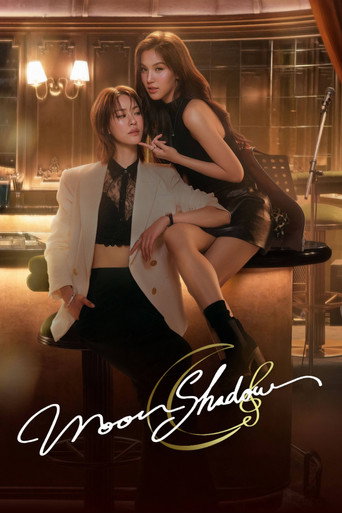
Novel Adaptation. The source is a prose novel. Eight titles carry it as a key theme: Thailand three, China three, South Korea one, Hong Kong one. Among the reviewed titles, 120 of 121 are adapted from something, so the label marks the cases where the novel origin is central. Example: Moonshadow.
Manga Adaptation. The source is a Japanese comic. Ten titles carry it, eight naming Japan and two Thailand. Both Thai entries are built on Japanese manga properties rather than on Thai comics. Example: Cherry Magic! Thirty Years of Virginity Can Make You a Wizard?! (Anime).
The twelve most used terms
The twelve labels carried by the most titles, and how many of those are read formats. Counted 14 September 2026 across the 121 titles reviewed by Renkaze.| Term | Kind of label | Titles | Read formats |
|---|
| BL | theme | 100 | 20 |
|---|
| Slow Burn | genre | 46 | 15 |
|---|
| Melodrama | genre | 32 | 7 |
|---|
| First Love | key theme | 32 | 7 |
|---|
| Coming-of-Age | genre | 31 | 6 |
|---|
| Found Family | key theme | 23 | 3 |
|---|
| Office/Workplace | genre | 23 | 5 |
|---|
| GL | theme | 20 | 6 |
|---|
| Enemies-to-Lovers | genre | 18 | 3 |
|---|
| Supernatural | genre | 17 | 2 |
|---|
| School | genre | 16 | 2 |
|---|
| Forbidden Love | genre | 12 | 1 |
|---|
Twelfth place is a tie. Historical also sits on 12 titles, so either label could hold the last row. Read formats means Novel, Web Novel, Manga, Manhwa and Manhua; everything else counts as screen.
The pattern across the table is that the most common labels describe feeling and pace (Slow Burn, Melodrama, First Love, Coming-of-Age) while the plot-engine labels such as Enemies to Lovers and Forbidden Love sit far lower. Stories in this field are far more often defined by how slowly and how emotionally they unfold than by the device that starts the romance. Several terms also live in more than one label family: Slow Burn rises to 65 titles and Forbidden Love to 23 when genre and key theme are counted together.
Some counts are concentrated rather than broad. Magic, Mind-Reading and Reincarnation are each concentrated in one work and its adaptations, so a count of five there is really one story in five formats.













Discussion 0 comments
Join other fans talking about BL and GL Terms Explained: What Each One Means and How Many Titles Use It. Be kind, no spoilers without tags, no spam.
No comments yet.
Share the first reaction below.